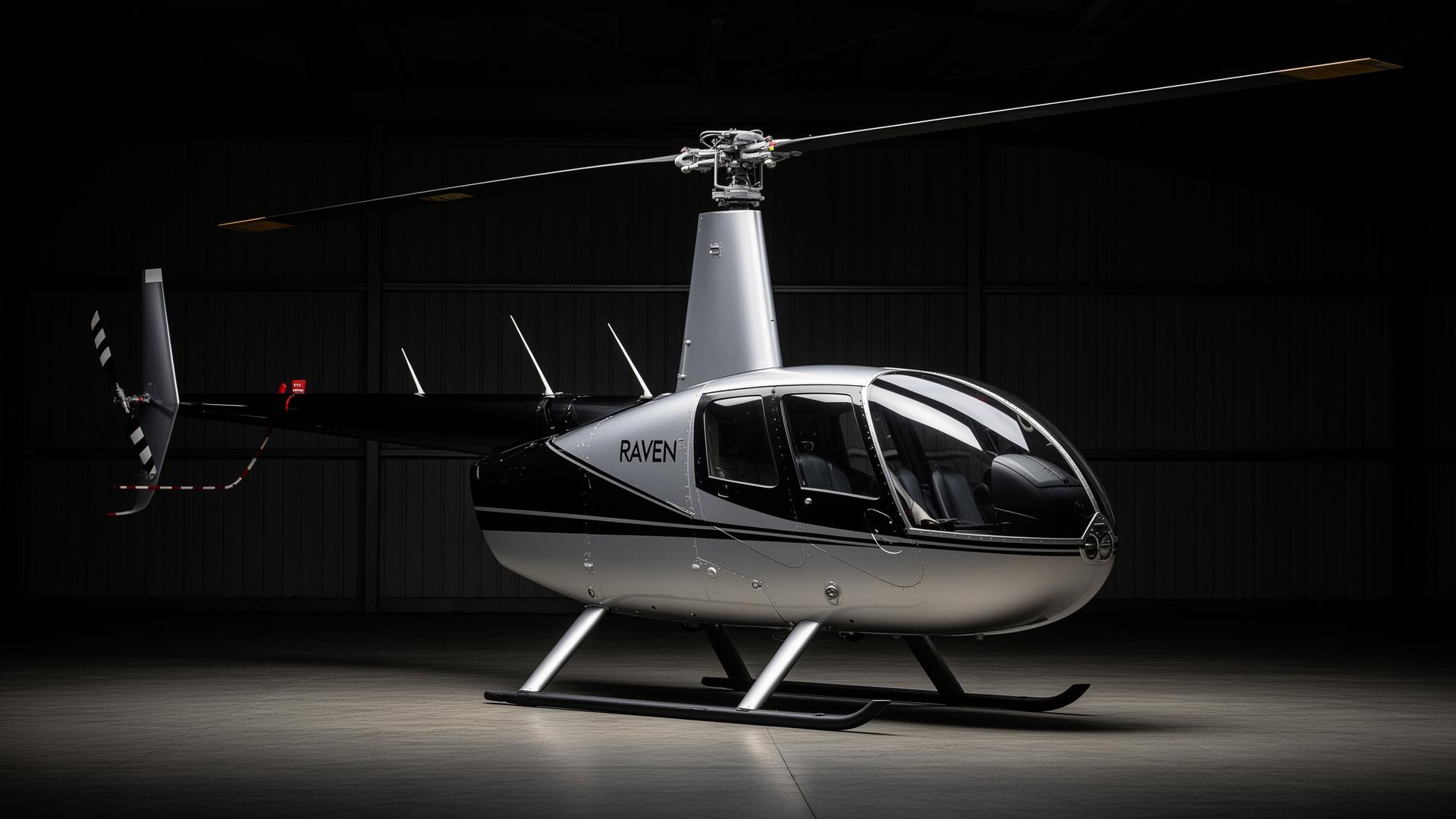
Shooting the Wild: Alaska Helicopter Photography Guide
Capturing Alaska’s grand landscapes from the open window or glass cockpit of a helicopter is one of the most rewarding experiences for a photographer. However, shooting from a vibrating, moving aircraft at high altitudes requires specific techniques, gear configurations, and safety protocols to ensure you get sharp, professional-grade shots. At Heli Alaska, we frequently fly professional landscape photographers and commercial film crews through the Talkeetna and Chugach Ranges, and we know exactly how to set up your flight for photographic success.
Recommended Camera Gear & Configurations
To get the absolute sharpest aerial shots, you need to configure your camera gear specifically for flight conditions:
- The Dual-Body Advantage: Avoid swapping lenses in flight. Dust and wind inside the cabin can ruin your sensor. Carry two camera bodies: one with a wide-angle zoom (e.g., 24-70mm) for grand landscapes, and one with a telephoto zoom (e.g., 70-200mm) to pull in tight patterns on crevasse fields and wildlife.
- Leave the Lens Hoods in the Bag: High-velocity wind rushing past the cockpit can easily catch a lens hood, causing intense camera shake or even ripping the hood off your lens.
- Secure Your Gear with Straps: Every piece of equipment must be securely tethered to your body using heavy-duty shoulder straps or harnesses. No loose items are permitted near open doors or windows.
Camera Settings for Aerial Photography
The movement of the helicopter and high-frequency engine vibration require fast shutter speeds to prevent motion blur:
- Shutter Speed (The Golden Rule): Set your shutter speed to a minimum of 1/1000s (ideally 1/1600s or faster). This freezes both the motion of the helicopter and any vibration.
- Aperture Staging: Shoot in your lens’s optical sweet spot, typically between f/5.6 and f/8. This ensures deep sharpness across the entire landscape frame.
- ISO Management: Use Auto-ISO with a minimum shutter speed threshold to let your camera compensate for sudden shadows cast by towering mountain peaks while keeping the shutter speed blisteringly fast.
- Image Stabilization: Turn on your lens’s Active Image Stabilization (IS/VR/OS) system to smooth out engine vibrations.
Creative Angles: Composition From Above
Aerial photography offers compositions that are impossible to capture from the ground:
- Glacier Moraines: Use the dark bands of rock debris cutting through white glaciers as leading lines to guide the viewer’s eye through the frame.
- Scale References: Include a tiny portion of the helicopter’s rotor blade or skids in the corner of your wide-angle shots to give a sense of adventure and scale to the massive mountains.
- Crevasse Details: Zoom in tight on crevasse fields from directly above to capture abstract, geometric patterns of blue and white ice.
Book Your Photo Charter Today
Are you ready to build a stunning photography portfolio from the ultimate vantage point? Book your flight online today!
BOOK NOW
For custom doors-off photo charters, commercial filming contracts, or private wilderness dispatches, please coordinate directly with our flight operations hangar.